

From Diffusion Models to LCM-LoRA
Following LCM-LoRA release, in this post we explore the evolution of diffusion models up to latent consistency models with LoRA

Following LCM-LoRA release, in this post we explore the evolution of diffusion models up to latent consistency models with LoRA

In this post we dive into Microsoft’s CODEFUSION, an approach to use diffusion models for code generation that achieves remarkable results
CODEFUSION: A Pre-trained Diffusion Model for Code Generation Read More »
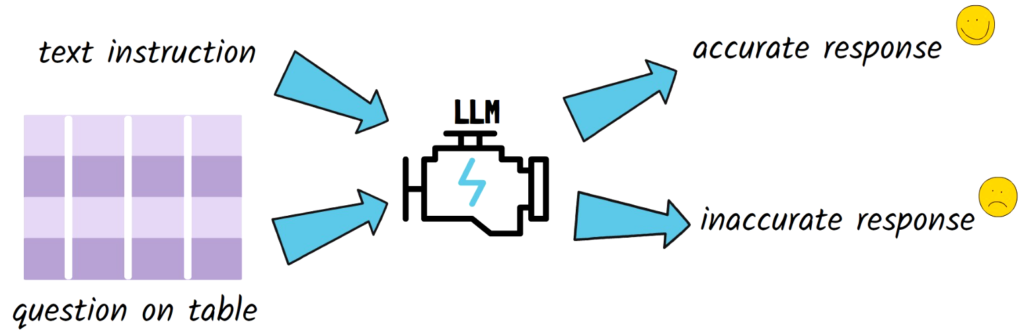
In this post we dive into Table-GPT, a novel research by Microsoft, that empowers LLMs to understand tabular data
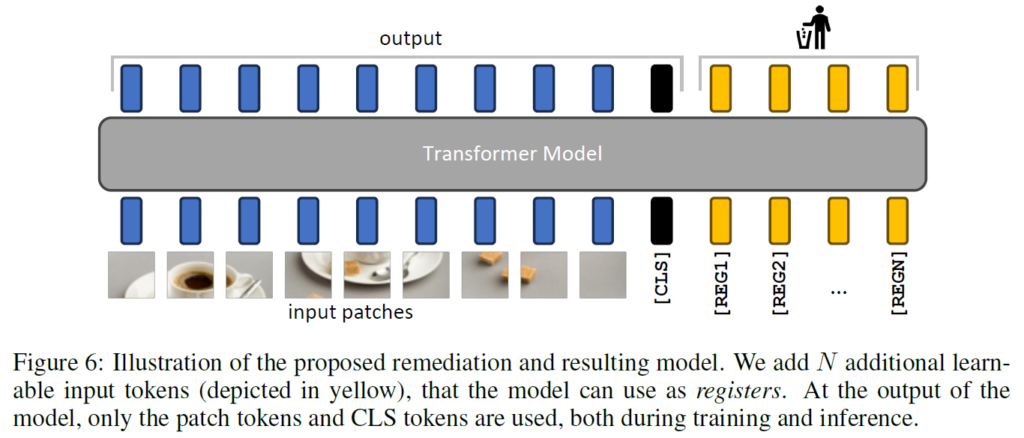
In this post we explain the paper “Vision Transformers Need Registers” by Meta AI, that explains an interesting behavior in DINOv2 features
Vision Transformers Need Registers – Fixing a Bug in DINOv2? Read More »

In this post we dive into Emu, a text-to-image generation model by Meta AI, which is quality-tuned to generate highly aesthetic images.
Emu: Enhancing Image Generation Models Using Photogenic Needles in a Haystack Read More »

In this post we dive into NExT-GPT, a multimodal large language model (MM-LLM), that can both understand and respond with multiple modalities

In this post we dive into the Large Language Models As Optimizers paper by Google DeepMind, which introduces OPRO (Optimization by PROmpting).
Large Language Models As Optimizers – OPRO by Google DeepMind Read More »
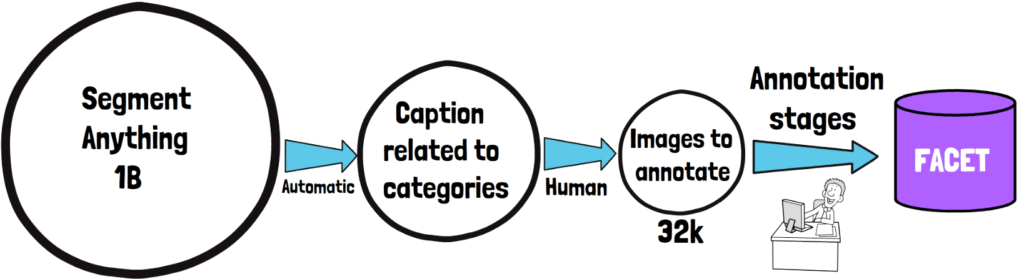
In this post we cover FACET, a new dataset created by Meta AI in order to evaluate a benchmark for fairness of computer vision models
FACET: Fairness in Computer Vision Evaluation Benchmark Read More »

Discover an in-depth review of Code Llama paper, a specialized version of the Llama 2 model designed for coding tasks
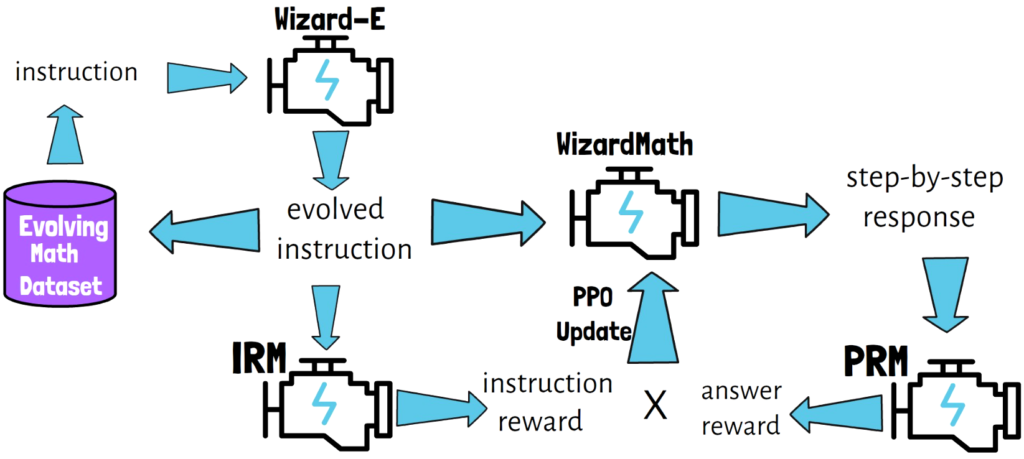
Diving into WizardMath, a LLM for mathematical reasoning contributed by Microsoft, surpassing models such as WizardLM and LLaMA-2.