

From Diffusion Models to LCM-LoRA
Following LCM-LoRA release, in this post we explore the evolution of diffusion models up to latent consistency models with LoRA
Following LCM-LoRA release, in this post we explore the evolution of diffusion models up to latent consistency models with LoRA
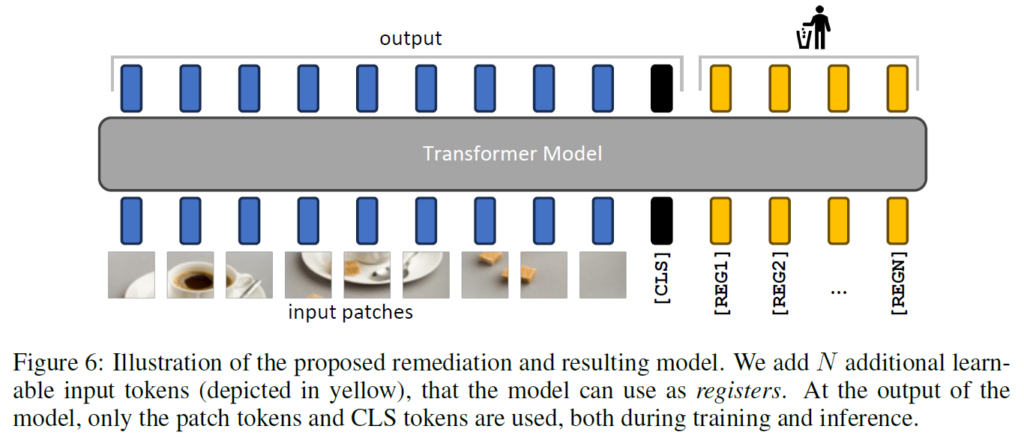
In this post we explain the paper “Vision Transformers Need Registers” by Meta AI, that explains an interesting behavior in DINOv2 features
Vision Transformers Need Registers – Fixing a Bug in DINOv2? Read More »

In this post we dive into Emu, a text-to-image generation model by Meta AI, which is quality-tuned to generate highly aesthetic images.
Emu: Enhancing Image Generation Models Using Photogenic Needles in a Haystack Read More »
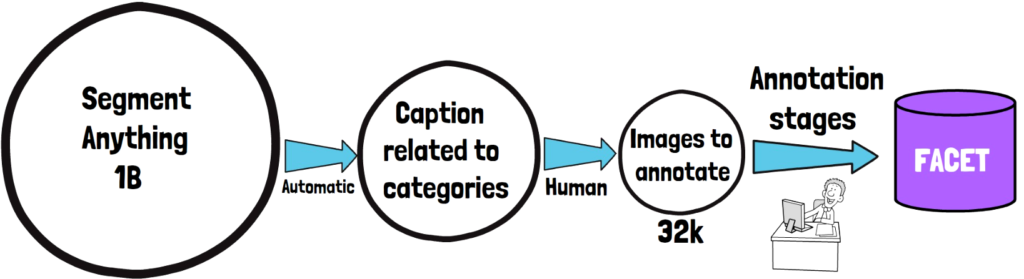
In this post we cover FACET, a new dataset created by Meta AI in order to evaluate a benchmark for fairness of computer vision models
FACET: Fairness in Computer Vision Evaluation Benchmark Read More »
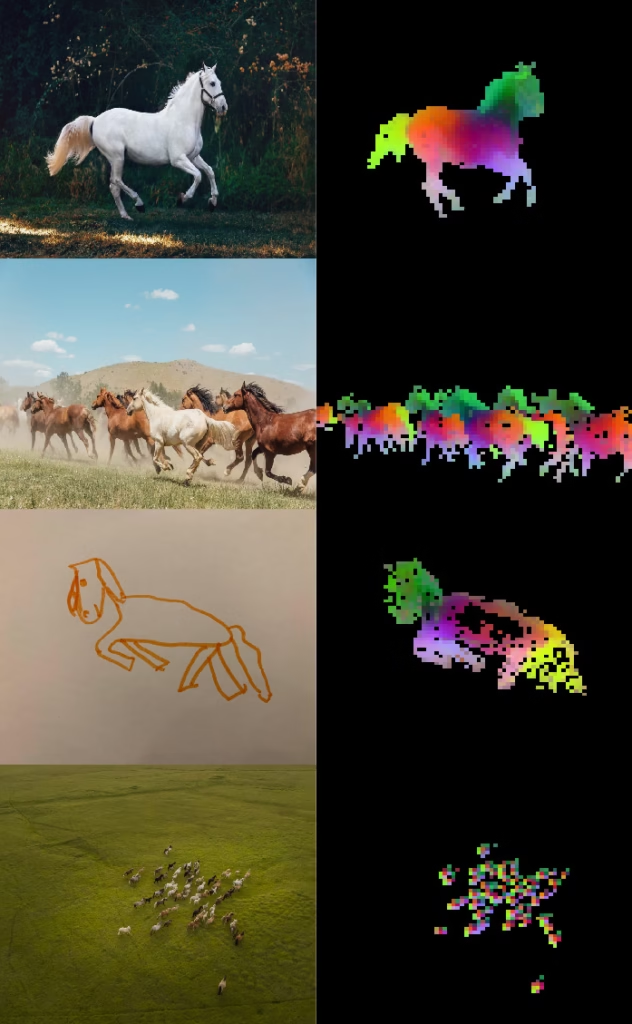
DINOv2 by Meta AI finally gives us a foundational model for computer vision. We’ll explain what it means and why DINOv2 can count as such
DINOv2 from Meta AI – A Foundational Model in Computer Vision Read More »

Dive into I-JEPA, Image-based Joint-Embedding Predictive Architecture, the first model based on Yann LeCun’s vision for a more human-like AI.
I-JEPA: The First Human-Like Computer Vision Model Read More »
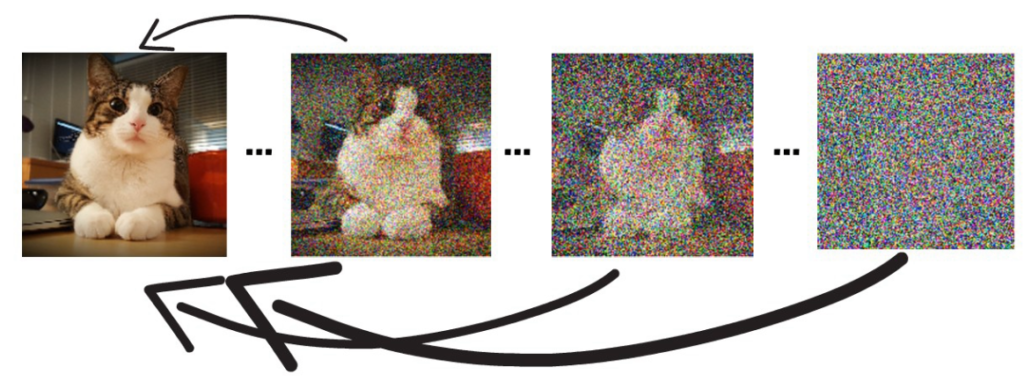
Consistency models are a new type of generative models which were introduced by Open AI, and in this post we will dive into how they work
Consistency Models – Optimizing Diffusion Models Inference Read More »
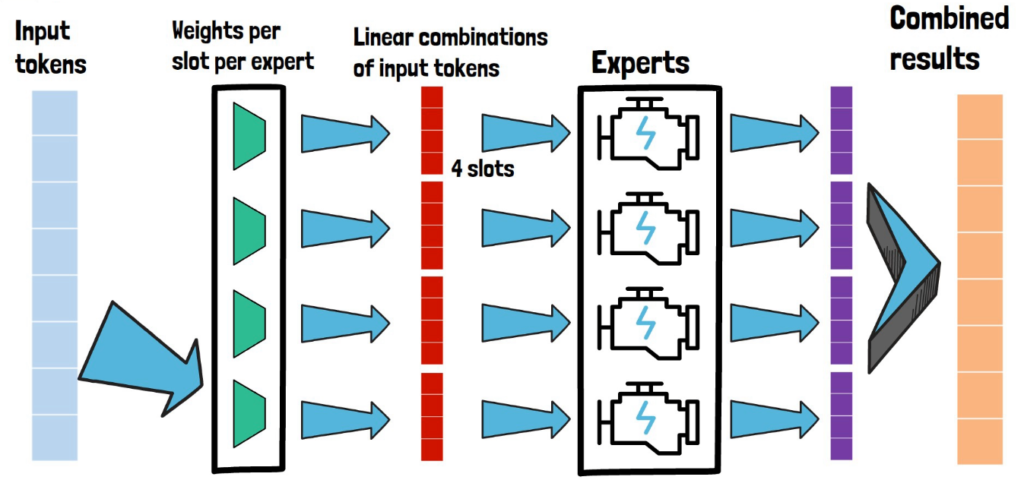
In this post we review Google DeepMind’s paper that introduces Soft Mixture of Experts, a fully-differentiable sparse Transformer.
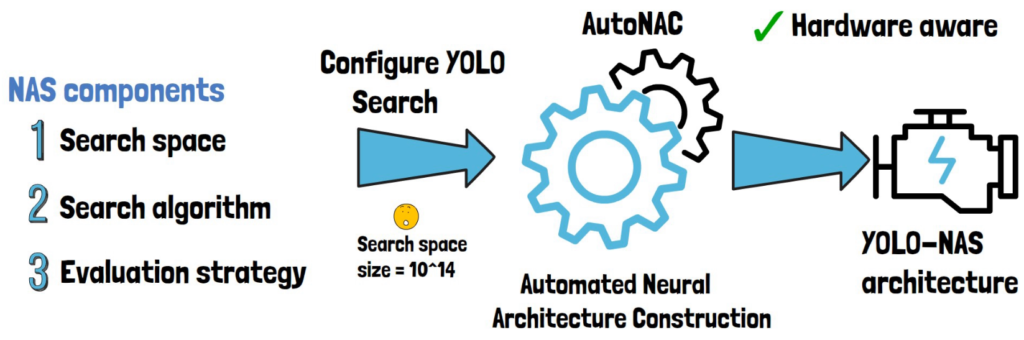
YOLO-NAS is an object detection model with the best accuracy-latency tradeoff to date. In this post we explain how it was created.